Brisbane Melbourne Hobart Launceston Devonport


Understanding VSD applications in Industrial Systems
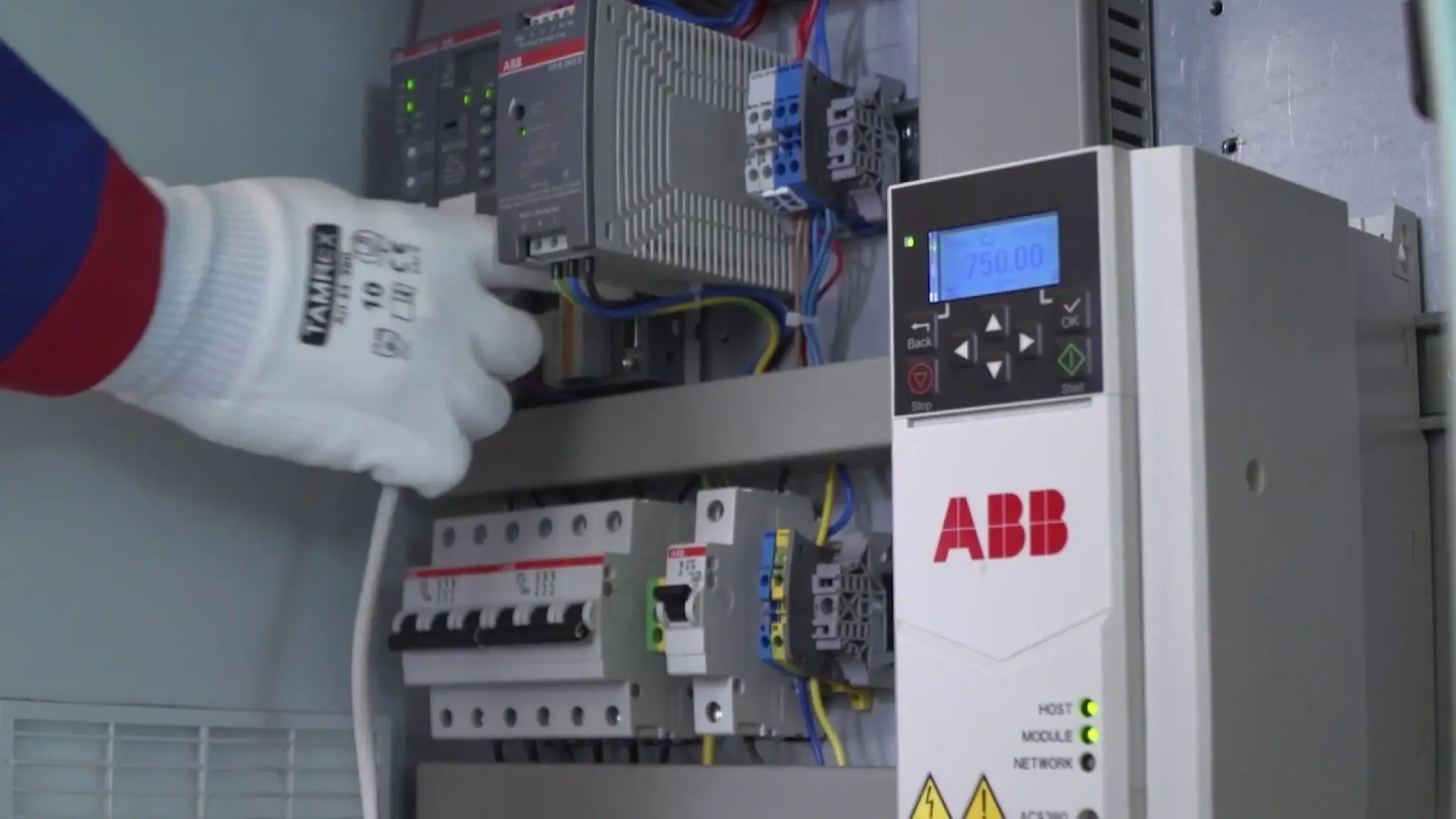
Variable Speed Drives (VSDs) are widely used across water infrastructure, pumping systems, manufacturing and other industrial processes. By controlling motor speed to match operational demand, they improve energy efficiency, enhance process control and reduce mechanical stress on equipment.
While the technology is well established, how a VSD performs in practice depends heavily on the application it is supporting. Motors, loads and operating environments vary widely across industrial systems, and these differences influence how drives behave in service.
As explored in our previous article, decisions around VSD implementation can have a significant impact on performance, efficiency and reliability. A key part of those decisions is recognising how different applications place different demands on the drive and motor.
How applications influence drive behaviour
A VSD controlling a pump behaves differently to one operating a conveyor, fan or mixer. Each application introduces its own operating characteristics that affect how the drive starts, runs and responds to changing conditions.
Typical factors include:
- starting torque requirements
- operating speed ranges
- load variability and duty cycle
- environmental conditions such as temperature, dust or moisture
- integration with PLC, telemetry or SCADA systems
What we see in the field is that these differences often show up in subtle ways. For example, pump systems may have drives sized correctly but control loops that haven’t been tuned, leading to unstable pressure control. Long motor cable runs can introduce electrical noise that affects drive performance, while in other cases the drive itself is operating correctly but key parameters aren’t readily visible to operators when troubleshooting is required.
The wider system matters
VSD performance is shaped not only by the drive itself but also by the system in which it operates. Motor characteristics, cabling, electrical protection and control philosophy all contribute to how effectively the drive performs.
Considerations commonly include:
- motor type and efficiency class
- cable length and installation practices
- electrical protection and filtering requirements
- process instrumentation and control strategy
- the operational criticality of the asset
In sectors such as water treatment, irrigation, critical infrastructure and manufacturing, these factors often influence long-term reliability and maintainability.
Applying VSD technology in the field
Modern drives include a wide range of built-in control functions, protection features and communication options. Their effectiveness, however, depends on how they are applied within the system.
When drive capability aligns with the characteristics of the motor, the load and the operating environment, systems typically run more smoothly, respond more consistently and place less stress on mechanical equipment.
Supporting reliable VSD installations
Cromarty Automation supports customers with the selection, supply, integration and commissioning of Variable Speed Drives across water, pumping, manufacturing and industrial environments. As a supplier of ABB drives, Cromarty combines proven technology with practical engineering experience to help ensure systems operate reliably over the long term.
